Payment Privacy in Gaming: How to Protect Your Bankroll from Phishing & Leaks
Shopping on international key sites or funding online entertainment accounts? Here is how to protect your payment data using virtual cards, tokenized e-wallets, encrypted VPN tunnels, and dedicated IPs.
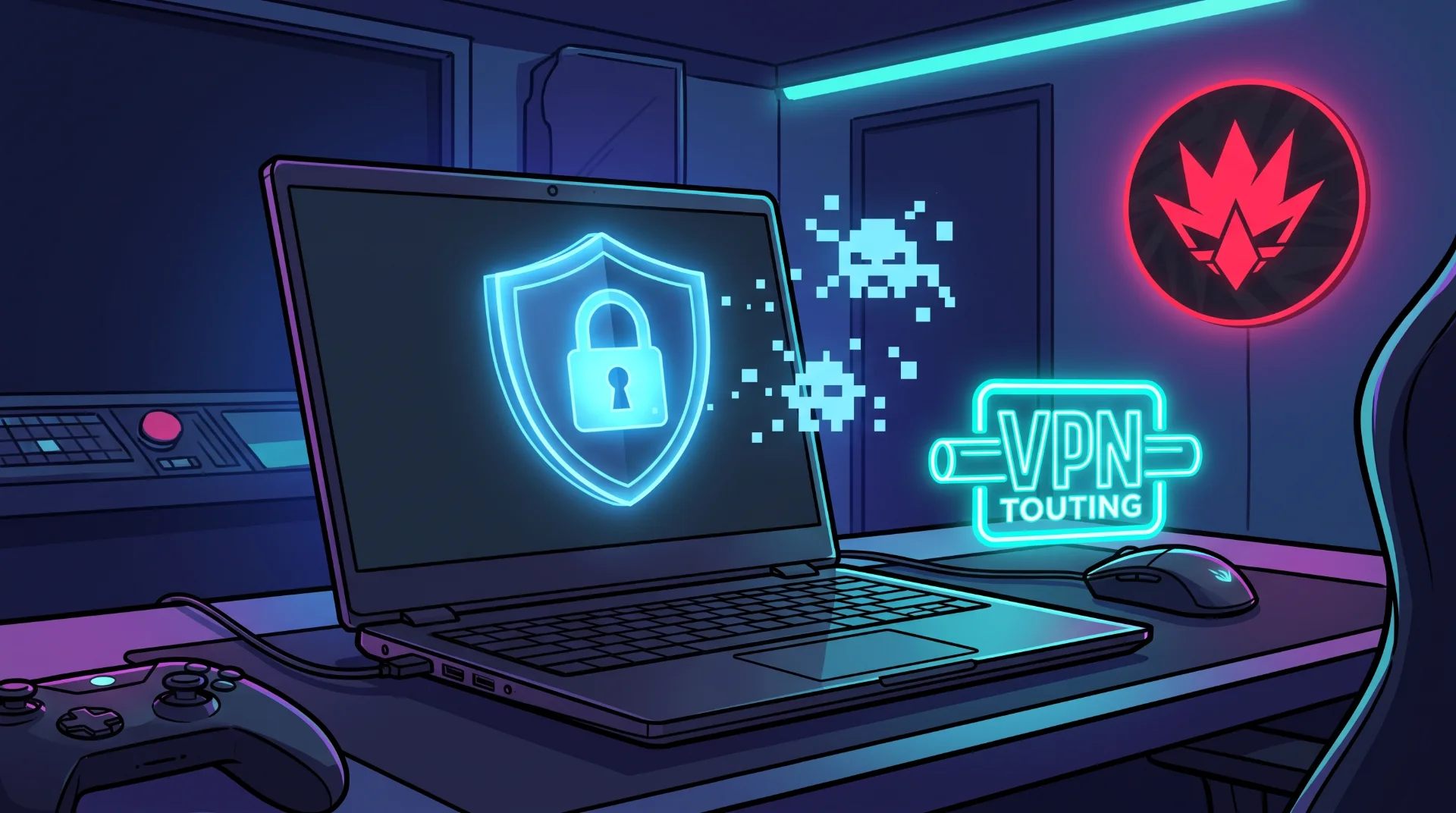
Fortifying the Vault: Safeguarding Financial Data in Modern Online Entertainment
The convergence of gaming, digital collectible marketplaces, and online entertainment platforms has made gamers prime targets for sophisticated cyber threats. From credential stuffing and compromised database leaks to malicious man-in-the-middle (MitM) attacks on public networks, inputting primary credit card numbers into gaming storefronts introduces real financial risk.
Furthermore, international digital travelers routinely face geographic transaction blocks, account verification freezes, or aggressive dynamic pricing based on ISP geolocation telemetry.
Protecting your gaming bankroll requires establishing layered defense protocols between your primary household bank account and the digital platforms you interact with. Below is the operational playbook for securing transactions, utilizing disposable financial tokens, and deploying secure network tunnels.
The 3-Tier Security Architecture for Gamers
Never connect your primary personal checking account directly to any gaming merchant or marketplace. Implement this compartmentalized structure:
Optimal Bankroll Defense Architecture:
[Primary Checking Account] ---> [Intermediary Digital Wallet (PayPal/Skrill)] ---> [Disposable Virtual Card] ---> [Gaming Merchant]
Tier 1: Intermediary Wallets (PayPal & Skrill)
By checking out through authenticated digital wallets, the merchant never receives your 16-digit debit card number, expiration date, or CVV code. If the merchant’s database suffers a security breach, attackers obtain zero actionable banking credentials.]
Tier 2: Disposable Virtual Cards (Revolut, Privacy.com)
Virtual card services allow you to generate single-use card tokens locked to specific dollar amounts. Once a purchase clears, the card token self-destructs, making unauthorized recurring subscription billing impossible.
Tier 3: Hardware Two-Factor Authentication (FIDO2 / YubiKey)
SMS-based verification is vulnerable to SIM-swapping attacks. Bind your primary gaming portals and email gateways to physical hardware security keys or authenticator apps (such as Aegis or Google Authenticator).
Securing the Network Tunnel: The Role of Dedicated VPNs
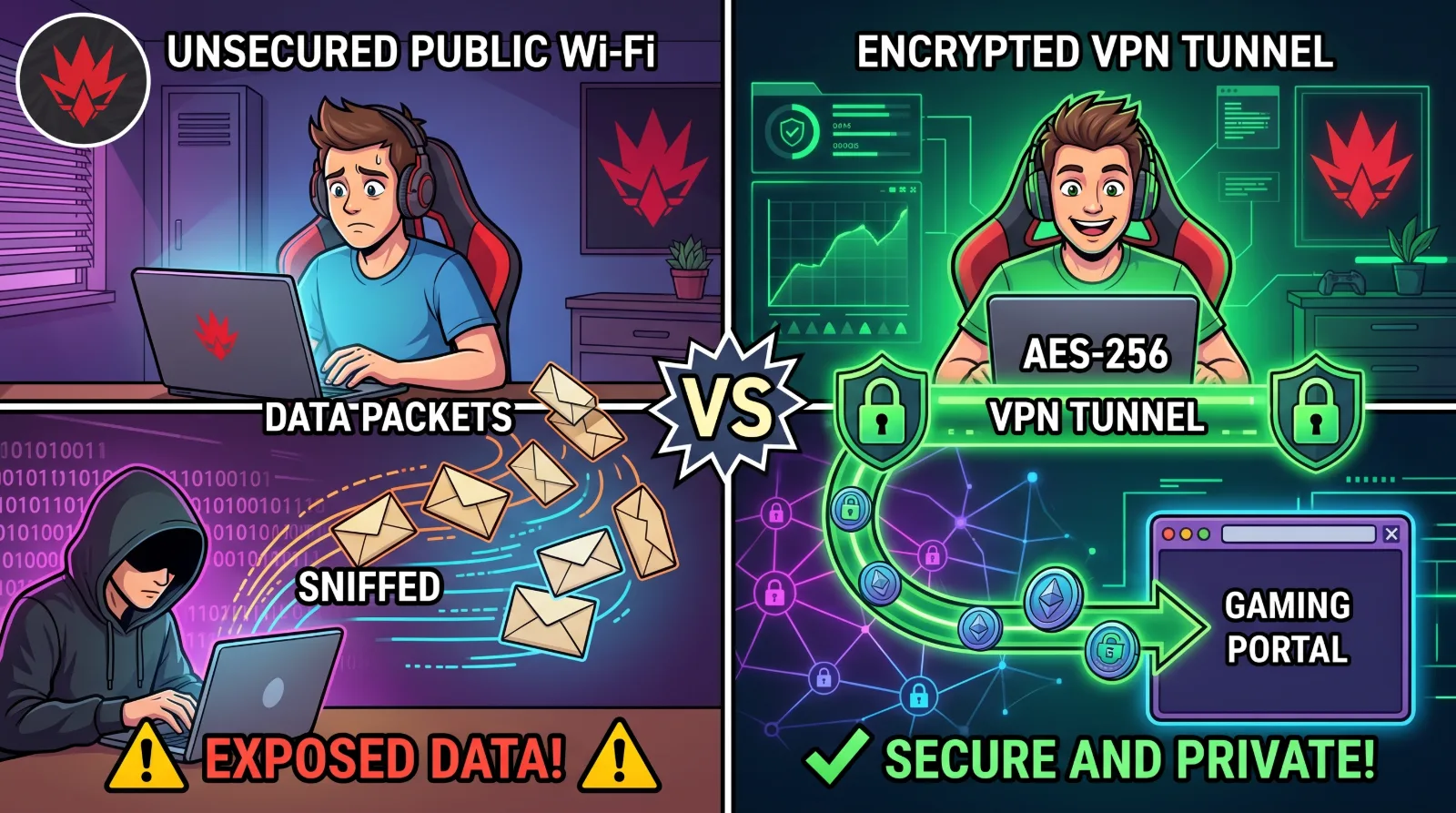
When conducting financial transactions from gaming laptops, hotel networks, or shared esports arenas, unencrypted packets can be intercepted via local Wi-Fi spoofing:
- End-to-End Encryption: Using trusted providers with AES-256 encryption tunnels ensures that local network sniffers cannot harvest session tokens or browser cookies during checkout handshakes.
- The Dedicated IP Advantage: Many high-security banking institutions and regulated gaming entertainment platforms flag or temporarily freeze accounts that log in from rotating commercial VPN server IPs shared by thousands of users simultaneously. Utilizing a Dedicated Private IP ensures consistent geolocation identity, preventing automated compliance freezes while keeping your real residential IP shielded from DDoS attacks.
- Preventing ISP Throttling: Certain internet service providers inspect UDP packet traffic and intentionally throttle bandwidth during peak hours; an encrypted tunnel obscures packet headers, ensuring unthrottled routing.
3 Red Flags of Fraudulent Payment Gateways
- Unencrypted HTTP Checkouts: If the final payment processing URL does not display valid HTTPS SSL encryption in the browser address bar, disconnect immediately.
- Direct P2P Wire Requests via Email: Legitimate platforms utilize embedded API payment gateways; they will never ask you to send funds directly to an employee’s personal PayPal or wire address via Discord or email support tickets.
- Mismatched Corporate Entity Names: Cross-reference the registered company name on the payment gateway invoice with the platform’s official terms of service.